Markets / Economy
The day in news, clearly sorted.
A Pinch of Truth brings the front page back to the essentials: what happened, why it matters now, who feels the impact and what changes next.
 A Pinch of Truth
Markets / Economy
A Pinch of Truth brings the front page back to the essentials: what happened, why it matters now, who feels the impact and what changes next.
Latest
Markets
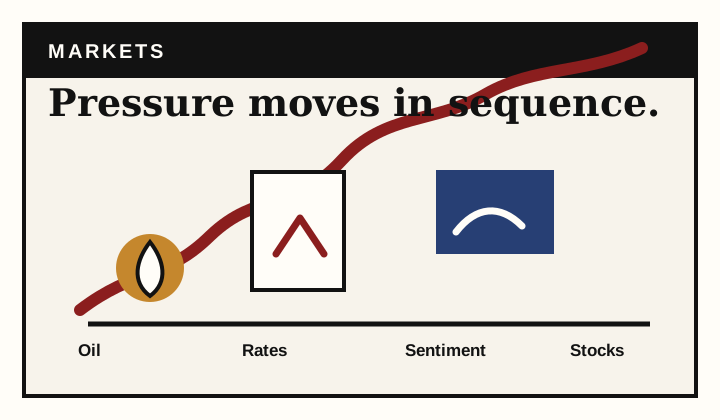
The market story is not just whether stocks rise or fall. Energy costs are feeding into household budgets, rate expectations and investor appetite at the same time.
The University of Michigan's early-May consumer sentiment index fell to 48.2, a record low in the Reuters report, as gasoline prices weighed on purchasing power. That matters because weak confidence can show up later in retail sales, travel plans and company guidance.
AI
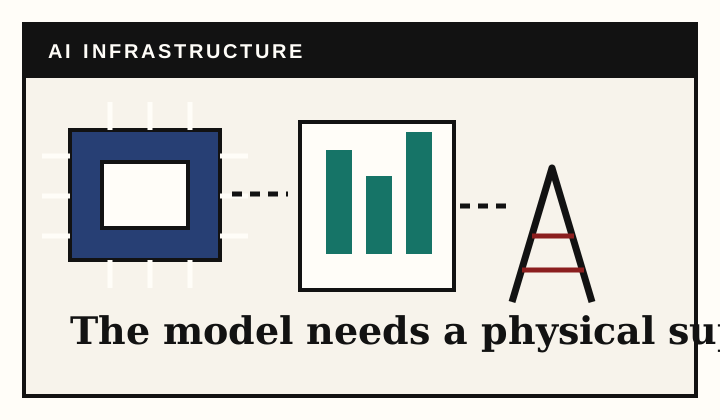
ASML's chief executive told Reuters that global chip supply will remain tense as AI, satellites and robotics demand more capacity than the industry can quickly add.
The next phase of AI coverage should follow the physical stack: lithography tools, foundry capacity, memory, data centers, local power supply and export rules. Model releases matter, but infrastructure decides who can actually scale.
Real Estate
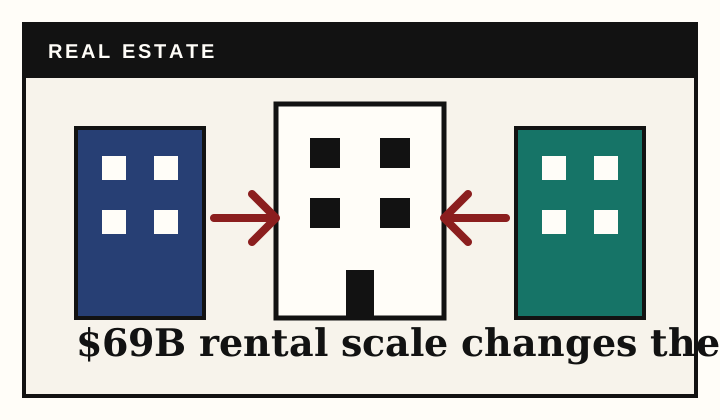
Equity Residential and AvalonBay Communities agreed to an all-stock merger that would create a rental-housing company with a roughly $69 billion enterprise value.
The deal would strengthen the combined company in key U.S. markets and create the largest publicly traded U.S. apartment REIT by market value, according to Reuters. It also makes property technology part of the housing brief, because scale can fund AI-guided tours, centralized leasing and faster tenant service.
Housing
U.S. pending home sales increased for a third straight month in April, Reuters reported, likely helped by a temporary retreat in mortgage rates.
That does not mean the market is healthy. Buyers still face high borrowing costs, limited affordable inventory and elevated prices. The useful framing is not "housing rebounds" but "some buyers re-enter when the monthly payment briefly improves."
Lifestyle
Royal Caribbean said luxury Mediterranean cruise bookings recovered after disruption tied to the Iran war, but higher fuel costs still forced pressure on its outlook.
China's May Day holiday showed a similar split in a different market: domestic trips rose, but spending per trip dipped. The travel story is no longer just demand. It is demand quality, fuel exposure, consumer confidence and value-seeking behavior.
World / Climate
AP's recent climate coverage shows the energy transition moving from policy pages into everyday routines: a solar-powered charging station in Cuba now helps people recharge electric vehicles and small devices amid an energy crisis.
In Bolivia, fuel shortages and gasoline quality complaints are pushing some drivers toward electric cars. These are climate, transport and household-economy stories at once.
Newsroom Method
Start with the event, data point, policy change, deal, launch or trend.
Explain the timing: cost pressure, consumer behavior, regulation, technology or culture.
Name the reader affected: renter, buyer, traveler, worker, investor, creator or policymaker.
End with the signal to watch. A story is not finished until the next marker is clear.
In Other News
Business
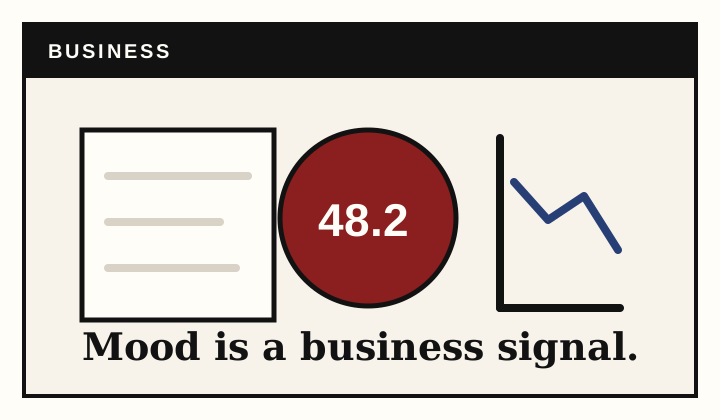
The record-low sentiment reading is a warning light for more than economists. It can affect retailers, restaurants, travel companies and any brand that depends on discretionary spending.
Prices at the pump, rates and household budgets set the tone for many other sections.
Technology
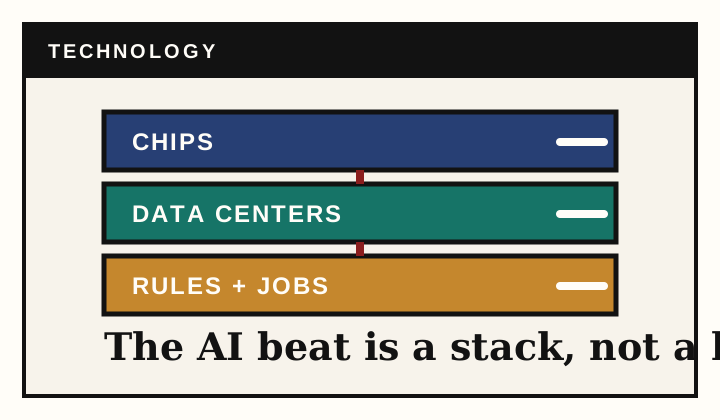
The AI beat now needs an infrastructure lens: advanced machines from suppliers like ASML, foundry capacity, memory, electricity, water, export controls and local political resistance.
The real story is the system around the model, not just the model announcement.
Style
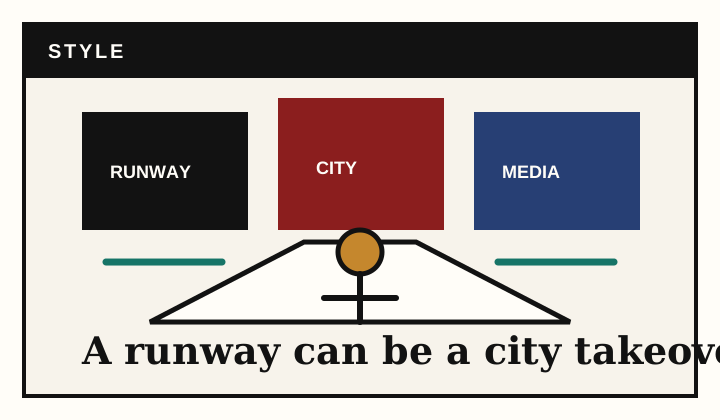
Gucci's Times Square Cruise show was not only a runway event. It was a public advertising takeover, a tourism moment and a brand-revival signal for Kering.
Retail, tourism, entertainment and brand repair can all sit inside one culture brief.
Source Ledger